When you’ve supported a single client’s branding and marketing for over 25 years, you learn a few tricks over time that ensure smoother collaboration and efficient workflows to help you deliver on time, every time. That’s exactly the case in our work with Carry-On Trailer.
The Backstory
Our support for Carry-On Trailer began when the owner walked into our studio and asked if we could make a photocopy of a flyer for a trailer they were building. (Yes, there was once a time when not every office had a color photocopier!) Randy made the copy, shared it with Cindy Sutt, and then they looked at the owner of Carry-On Trailer and asked, “Do you want to make this better?”
Creating Systems for Smoother Workflows
That one photocopy paved the way for a long-lasting relationship that was initially founded on creating materials to help support and empower Carry-On Trailer’s sales team. One of our first larger projects was to create their product catalogs. However, these were not your typical catalogs.
Their team needed a way to convert product catalogs into cut sheets or sell sheets for the sales team to use, as well as to pass off to retailers who sold their trailers, so they could speak knowledgeably about the trailers. We knew managing so many deliverables could quickly become chaotic and that we needed to build a system to make it easier for the client to submit new requests, improve workflow efficiency, and eliminate redundancy.
Initially, we used spreadsheets to track product details and, over time, added project management tools that helped us manage things more efficiently than we could through email. We eventually built the client’s website, with tools in place that could turn the content into a printable PDF for the sell sheets.
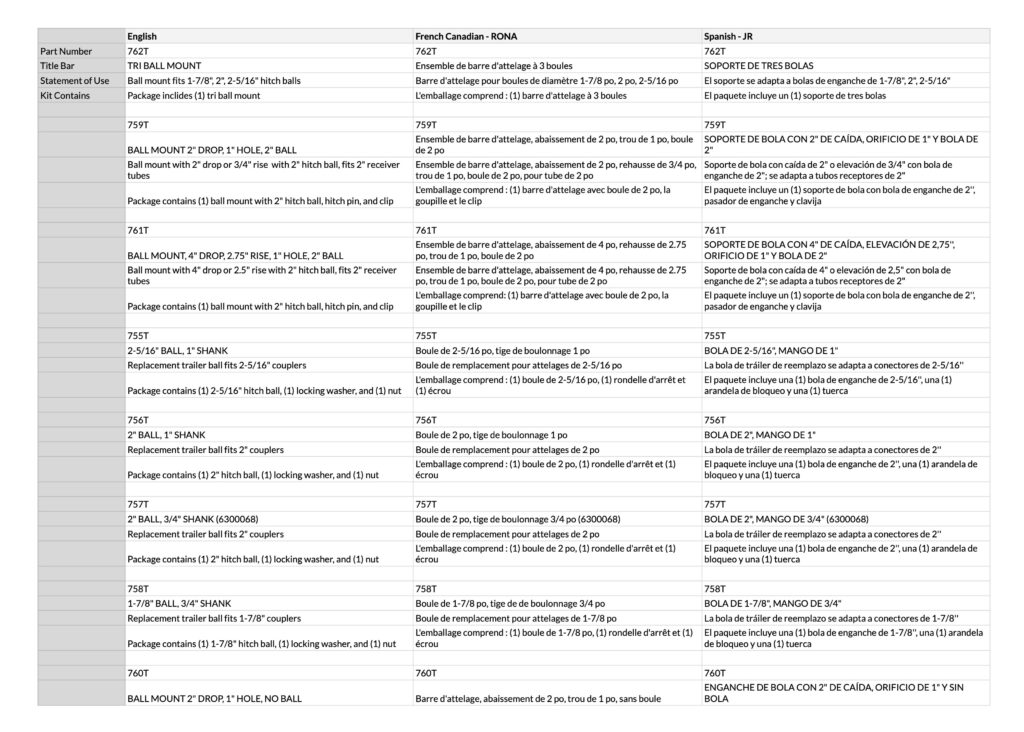
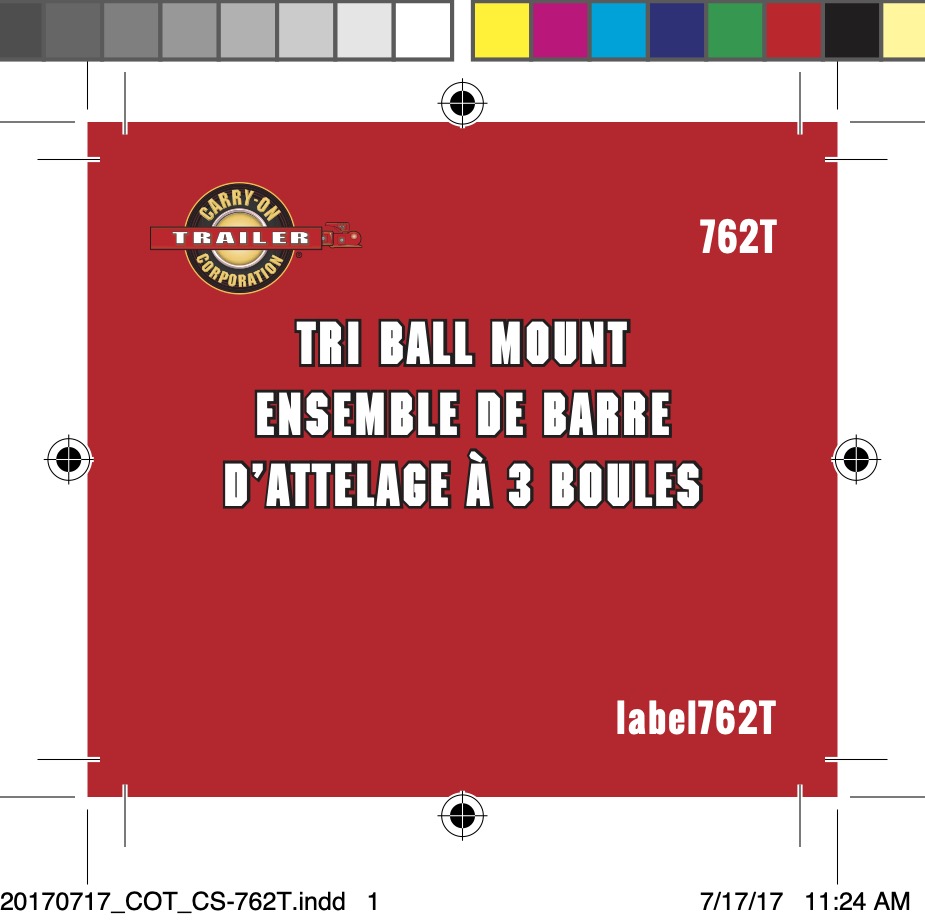
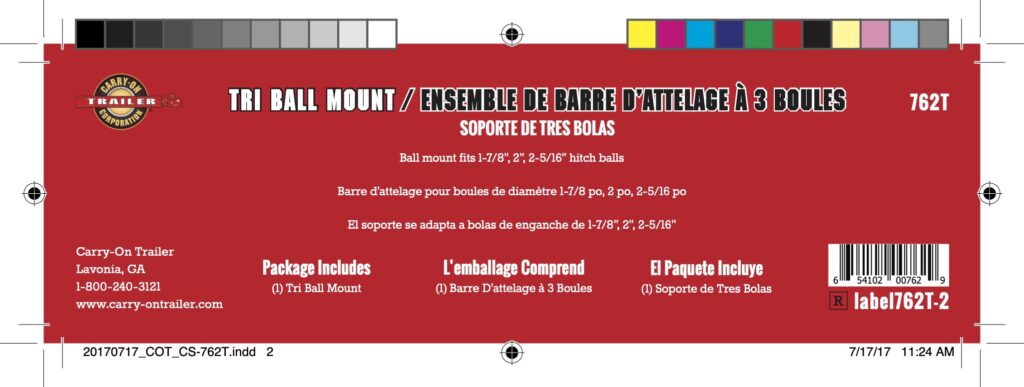
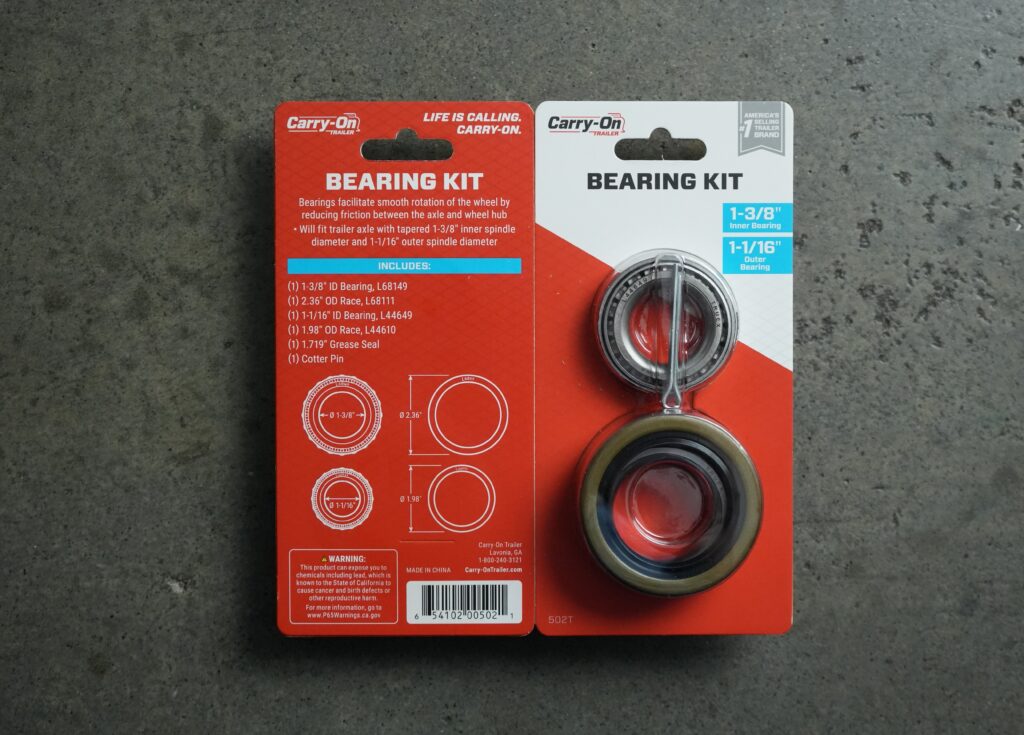
We followed a similar process when Carry-On Trailer first asked us to help with their packaging updates. The packaging files were needed in three languages, so the first step of the process was translating the package content and measurements from English into Spanish and French Canadian. We used a spreadsheet system to track each part’s details—part number, title, statement of use, instructions, and kit inclusions as applicable—and ensure that no details were missing from the translations.
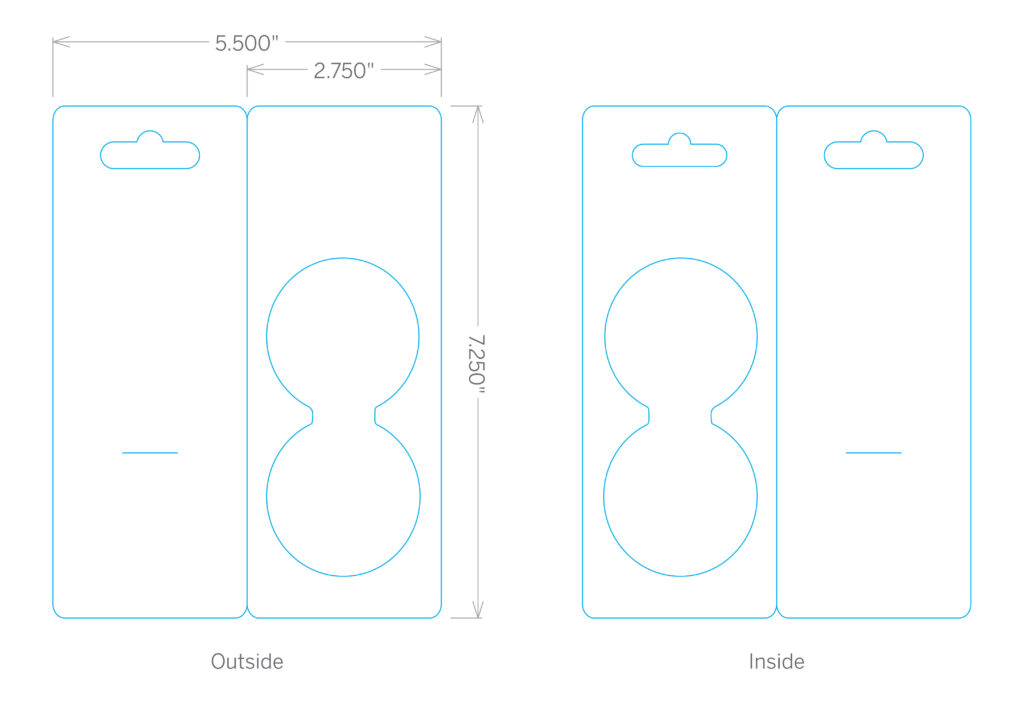
We then gathered the die files from the client, 17 different files in total, and completed the packaging redesign and pre-pressed the files. The updates were rolled out in batches to make it easier to manage what had been completed and track progress on the deliverables we were still working on.
Growing With Our Clients
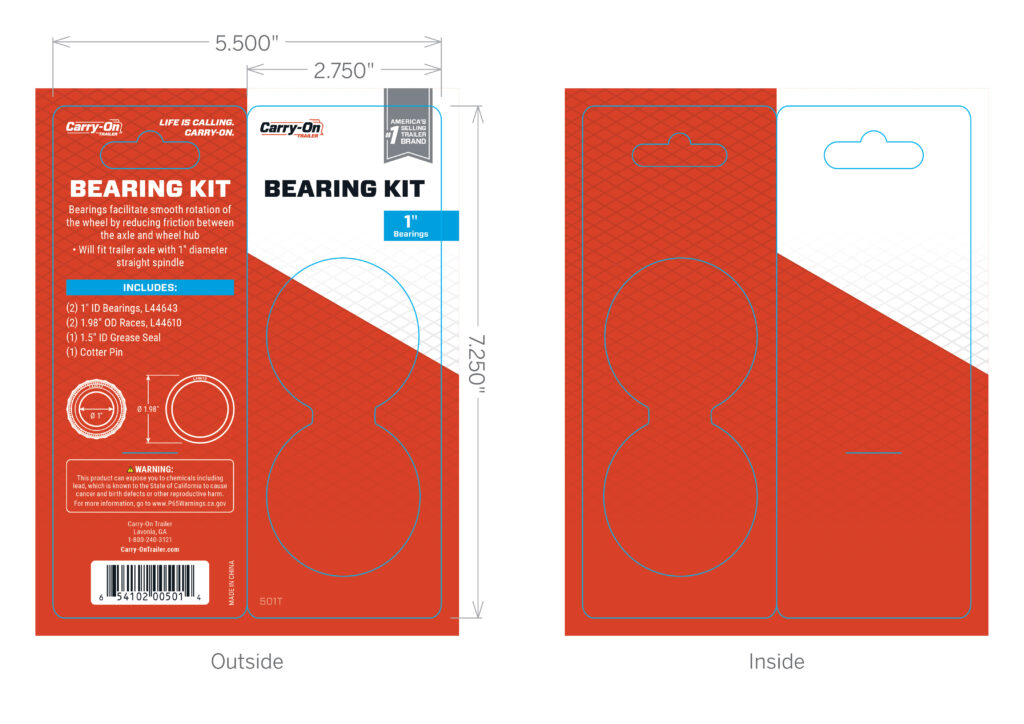
As the Carry-On Trailer brand expanded its retail presence, we evolved our process to give the client an efficient, scalable way to manage packaging updates and pricing requests across product lines. As an extension of their marketing department, we worked closely with them to streamline the workflow by implementing tools and templates to support consistent branding and align with their production needs. This included building a system that eliminated a lengthy scoping process, allowing the client’s team to submit new requests as needed and track their anticipated monthly invoicing. The system has allowed us to build momentum as well as fill gaps for their in-house team to ensure projects are completed on time.
With this slick system in place, we were able to expand requests to other marketing materials and campaign support needs not only for Carry-On Trailer but also for its parent brand, ATW, and its different trailer divisions. The system has helped improve turnaround times, build better brand consistency across packaging, and provide the client with a framework that scales to support their ongoing growth and multiple retail partners across the ATW brands.
The longer we work with clients, the more we grow and evolve to ensure the systems we put in place make it easy for them to do what they do. Our goal is to listen and watch out for their pain points, and then build something that serves their needs. This means keeping a pulse on technology, how people interact with it, and making sure we adjust and change as needs grow or evolve.
Need a Better System for Your Marketing?
When you have systems in place, marketing becomes easier to execute (and dare we say, more enjoyable?!). If your organization could benefit from putting systems into place to help your marketing engine run more efficiently, let’s talk!