Many teams may think marketing reporting is simply just a recap of what’s already happened: website visits, newsletter opens, and social media engagement. However, effective marketing reporting is less about what happened and more about using the data as navigational tools to see:
- Where you’re heading
- If you’re on track
- What needs to change in order for you to reach your goals
Think about it as if you’re going on a roadtrip. You could just wing it and rely on road signs and highway markers, or you could use your GPS to find the best way to reach your destination and navigate around heavy traffic. Marketing without reporting is similar. If you don’t have reporting in place, marketing becomes reactive instead of intentional.
You Need to Know Where You’re Going
Marketing strategies and plans take time to implement, and as a result, it takes time to see the impact. When you have marketing reporting in place, you’re able to measure your progress and have indicators that tell you whether something is or isn’t working. With that information at hand, you can make informed decisions and adjust your roadmap for what works, so you don’t waste time on tactics that aren’t generating the results you need.

Reporting is a Forward-Thinking Tool
Reporting helps you think toward the future by creating a baseline that you can use to measure your progress.

Once you determine the key performance indicators, or KPIs, you can then start tracking results. For example, your KPIs could include increased website traffic, contact form submissions, or increased social media impressions and engagement. Make sure you are tracking KPIs that are tied to your desired outcomes, like leads, conversions, revenue, or awareness. If the KPIs don’t support your goals, they won’t help you determine if you’re on track, and you’re just wasting time and resources compiling data that distracts instead of informs.
Reporting should always answer the question “Are our efforts moving us closer to our goal?” For example, are impressions leading to increased awareness? Or is increased website traffic leading to consultation requests?
Signs It’s Time to Adjust Your Strategy
Just because a particular tactic worked before doesn’t mean it will work again. And sometimes, you have to try new approaches, not knowing whether it will be a hit or miss. Marketing reporting helps spot trends over time so you can determine which efforts to continue, refine, drop completely, or when to pivot to something else.
Making small adjustments over time helps you prevent bigger problems later, like realizing you wasted time, money and energy on efforts that flopped.
Data Without Direction is a Problem
Most marketing teams have access to tons of data scattered across various tools. The issue isn’t lack of information; it’s lack of clarity. When data lives in more than one place, it’s hard to see the full picture. That can lead you to make reactionary choices based on isolated metrics instead of your strategic goals. Connected data and consistent measurement are essential drivers for determining your direction moving forward.
Looker Studio: Our Fav Data Reporting Tool
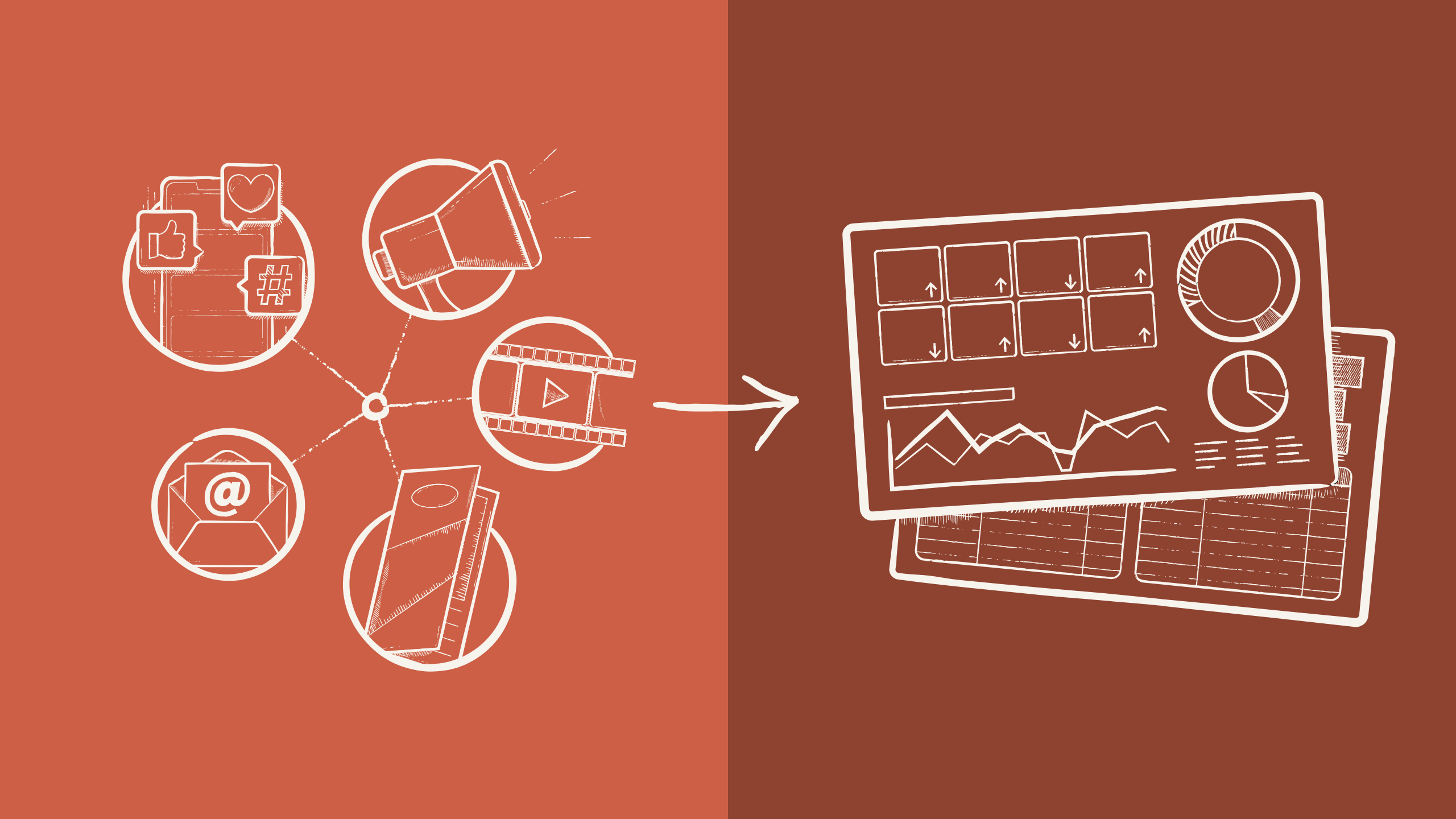
There are tons of platforms out there that can help consolidate your marketing reporting into one easy-to-find place, as well as help you hone in on the metrics that are important to you. Our preferred tool for tracking metrics is Looker Studio because it allows you to bring multiple data sources into a single, shared dashboard and eliminates fragmented reporting. With this tool, we’re creating a single source of truth for your marketing metrics.
Some of the key benefits of building marketing reporting dashboards in Looker Studio include:
- An emphasis on trends
- The ability to look at comparative data, such as month-over-month or quarter-over-quarter, to show whether you’re gaining momentum
- Automated data refreshes so you can see how you’re performing in real time
Curious to learn more about Looker Studio dashboards and how they’ve helped our clients?
Turn Reporting Into Forward Momentum
The most effective reporting leads to action. No matter what kind of marketing reporting dashboard you use, it should support your team’s conversations about your priorities, next steps, and any strategic adjustments you need to hit your goals, so that reporting becomes a planning tool, not just another recap.
Reporting is Your Roadmap
At the end of the day, marketing without reporting is a lot like heading out for a trip without a GPS to help you get there. Reporting not only shows you where you started but also whether you’re on track to reach your goals. If you need help understanding your marketing reporting or are curious to learn more about reporting dashboards, tag us in! As your marketing department, we’re here to help make sense of the data and build a strategy or adjust your current plans to help you reach your goals. Let’s set up your reporting!